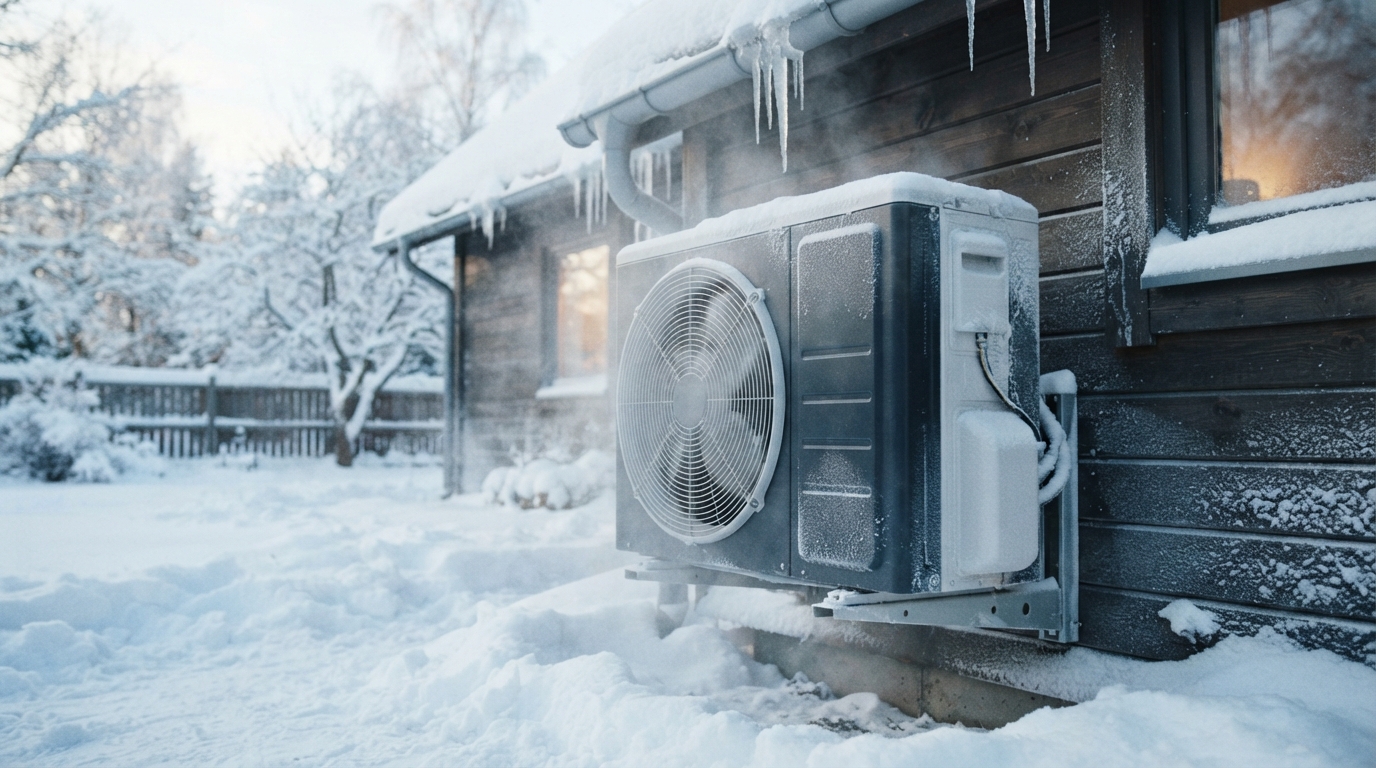
As winter wraps its icy fingers around our homes, many homeowners are left questioning: can a mini-split really keep your living space warm when temperatures dip below zero? With so many heating options available, the effectiveness of these systems in extreme cold has come under scrutiny. In this article, we explore the evidence with insights from industry experts to understand if mini-splits can indeed rise to the challenge.
Why This Matters Now
With climate change redefining weather patterns, homeowners are increasingly faced with unpredictable winter conditions. The last few winters have seen record-breaking low temperatures in many regions. For those considering or already using mini-split systems, understanding their heating capabilities in extreme conditions is crucial. In an energy-conscious world, it's also vital for homeowners to select efficient systems that perform well without breaking the bank on energy bills.
Expert Perspectives
Perspective: Dr. David Kraft (HVAC Technician and Educator)
Dr. David Kraft emphasizes that modern mini-split systems have made significant advancements over the past few years. "Many mini-splits are designed with inverter technology, which allows them to operate efficiently in much colder temperatures than older models. Some units can function at temperatures as low as -5°F with only slight reductions in heating output." He notes that the capacity of mini-splits tends to decrease at lower temperatures, but they remain a viable heating option. "Most manufacturers provide performance data that indicates how much heat the unit can produce at various temperatures, so it's essential to consult these specifications before deciding."
Perspective: Jane Carter (Energy Analyst at Energy Trust)
According to Jane Carter, mini-splits aren't just efficient—they can be remarkably effective in cold weather. "Recent studies show that certain models can maintain their heating capacity even in sub-zero temperatures. For instance, some units can produce up to 100% of their rated heating capacity at temperatures around 0°F, which is quite impressive," she states. However, she cautions that performance can vary widely by brand and model. Carter advises homeowners to pay attention to the Heating Seasonal Performance Factor (HSPF) rating, which indicates how efficiently a heat pump operates over a typical heating season. "If you choose a model with a high HSPF rating, you're more likely to find one that performs well, even in extreme weather."
Perspective: Tom Hayes (HVAC Contractor and Owner, Hayes Heating Solutions)
Tom Hayes offers a more practical perspective on mini-split performance in real-world conditions. "While mini-splits have improved, I've seen them struggle during particularly cold snaps, especially older models. During prolonged sub-zero temperatures, the efficiency can dip significantly. Homeowners should be cautious about relying solely on mini-splits for heating in regions that regularly experience very low temperatures." He suggests that homeowners consider supplementary heating options for extreme cases, such as electric resistance heaters. "You don't want to find yourself in a freezing house because your mini-split couldn't keep up during a cold snap."
Editorial Synthesis
Where Experts Agree
- Modern mini-split systems have significantly improved in cold-weather performance.
- Inverter technology enhances efficiency, even in lower temperatures.
- It's crucial to consult performance data and HSPF ratings for determining suitability in cold climates.
Where Experts Disagree
- Dr. Kraft and Jane Carter are optimistic about the capabilities of modern mini-splits, emphasizing that certain models can function well even in sub-zero conditions.
- Tom Hayes raises a realistic caution, suggesting that homeowners should not solely depend on mini-splits for heating in extreme weather.
Why This Matters
Deciding whether a mini-split can adequately heat your home during frigid winters is not just about comfort; it involves cost, efficiency, and reliability. With heating costs rising, it's increasingly important to have a heating strategy that ensures warmth while being energy efficient. This discussion highlights the importance of research and understanding the specifics of the models being considered, especially if you live in a region prone to extreme cold. Always consult performance metrics and seek expert advice—ensuring your home stays warm and safe throughout winter.
As temps plummet, having the right heating system can mean the difference between a cozy evening and a chilly night spent bundling up under blankets. Ultimately, the best approach is to stay informed and be prepared—whether that means investing in a cutting-edge mini-split system or planning for supplementary heating solutions in your home.
The Voices
 HVAC Technician and Educator
Dr. David Kraft
Pro Heat Efficiency
Mini-splits are designed to efficiently heat spaces even in sub-zero temperatures. Their inverter technology allows them to adapt and maintain comfortable temperatures, making them a viable option even in extreme weather.
 Energy Analyst at Energy Trust
Jane Carter
Cautious Optimism
While mini-split systems can function in sub-zero conditions, their efficiency can vary based on the unit and the insulation of the home. It's important to evaluate each home's specific conditions before deciding.
 HVAC Contractor and Owner, Hayes Heating Solutions
Tom Hayes
Skeptical View
In extremely cold climates, traditional heating methods might still outperform mini-splits. While they can heat rooms, their performance and comfort level may not be adequate compared to conventional systems.
Heat of the Moment: Mini-Splits in Sub-Zero Weather
Modern mini-splits can provide effective heating in sub-zero temperatures, but informed choices are essential.
References
- Heat Pumps Energy.gov
- Heating and Cooling Tips Energy Star
- Mini-Split Air Conditioners: What to Know Consumer Reports