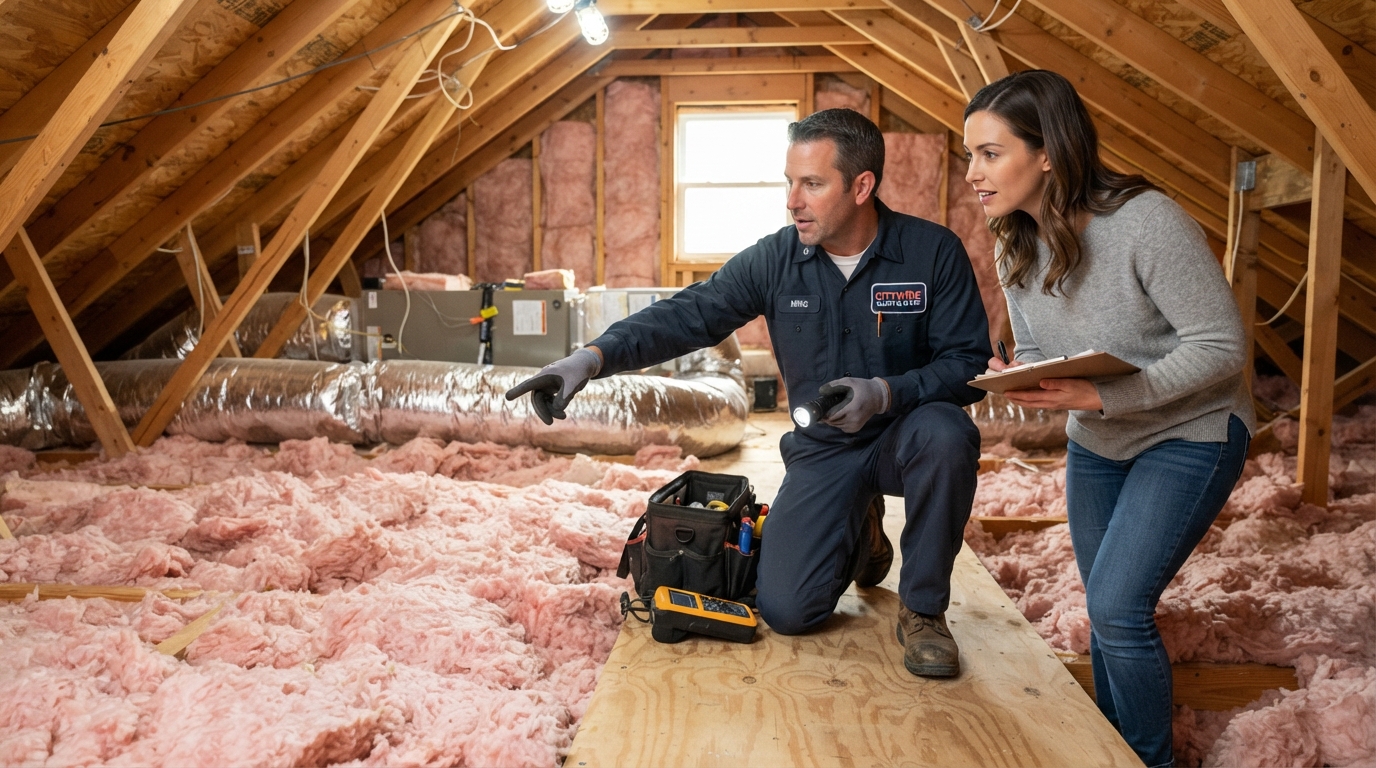
Are you puzzled by why your HVAC contractor incessantly inquires about your home's insulation? It may seem like an unnecessary detail to focus on in the face of making your heating and cooling system work effectively. Yet, delving into insulation significantly influences your home's comfort and energy efficiency. Let's unpack why this seemingly mundane topic is worth your attention.
Why This Matters Now
As energy costs continue to rise and environmental concerns grow, ensuring that your home operates efficiently has never been more crucial. The heating, ventilation, and air conditioning (HVAC) sector contributes significantly to overall energy usage, making insulation integrity critical in reducing energy waste and optimizing usage. Understanding these connections can save homeowners on utility bills and create a more sustainable living environment.
Expert Perspectives
Perspective: Bob Vila (Home Improvement Expert)
Bob Vila underscores that insulation serves as a protective barrier that directly influences how HVAC systems perform. "Every homeowner should view insulation not just as a structural element but as a crucial component of their home's climate management. If the insulation isn't functioning effectively, HVAC systems have to work harder, leading to unnecessary wear and tear."
Vila notes that the key issues to bring up with contractors include:
- Type of Insulation: Different materials, like fiberglass, foam, or cellulose, have varying degrees of thermal efficiency.
- Condition of Insulation: Over the years, insulation can settle or degrade, resulting in diminished performance.
- Location Matters: Whether the insulation is in the attic, walls, or basement can affect heat transfer throughout the house.
"Answering these questions helps the contractor recommend upgrades or repairs that can save you significantly in the long run," Vila added.
Perspective: Dr. William Bahnfleth (Building Science Expert)
Dr. William Bahnfleth advocates a deeper understanding of an integrated approach to home climate control. He stresses that insulation is integral in maintaining the indoor air quality and energy efficiency. "A well-insulated space reduces the load on HVAC systems, allowing them to maintain desired temperatures without excessive energy use. This contributes to a healthier home environment."
Bahnfleth recommends engaging in a collaborative discussion with your HVAC contractor about:
- Insulation R-Value: This measures resistance to heat flow. The higher the R-value, the better the insulation contributes to energy savings.
- Air Leakage: Insulation works best when sealed properly. Discussing areas prone to drafts can lead to more comprehensive solutions.
- Moisture Control: Proper insulation can mitigate issues related to humidity, which is essential for both comfort and structural health.
"Your HVAC contractor's probing questions aren't trivial; they provide essential insights crucial for a holistic approach to home comfort and efficiency," Bahnfleth emphasizes.
Perspective: Jennifer H. Long (Energy Analyst)
Jennifer H. Long highlights the financial implications intertwined with insulation and HVAC efficiency. "Understanding and communicating your insulation status can directly inform the financial recommendations your contractor provides. Inadequate insulation can account for a significant percentage of energy loss, leading to higher monthly bills."
Long points to key discussions to have with your contractor:
- Cost-Benefit Analysis: Ask how different insulation options can lead to energy savings.
- Incentives & Rebates: Look into how energy-efficient insulation options might qualify for government rebates, helping to offset installation costs.
- Long-Term Value: Ignoring insulation could necessitate a complete system overhaul sooner than expected, leading to more costs over time.
"Every question about insulation is directly tied to how your HVAC system will perform, affecting your comfort and finances going forward," Long argues.
Editorial Synthesis
Where Experts Agree
- Insulation impacts HVAC efficiency: All experts emphasize that insulation plays a critical role in how HVAC systems perform and their efficiency.
- Communication is key: Engaging in a dialogue with contractors about insulation ensures tailored solutions to enhance home comfort and savings.
- Energy efficiency translates to cost savings: Proper insulation can lead not just to comfort but financial benefits as well, making it a vital topic of discussion.
Where Experts Disagree
- Prioritization of insulation features: While Vila focuses on type and condition, Bahnfleth emphasizes air quality, and Long centers on financial assessments, highlighting varying priorities in discussions.
- Level of detail required in assessments: The depth of questions about insulation can vary based on the perspective of the expert, with some arguing for broader scope discussions than others.
Why This Matters
Understanding your insulation is not just a sideline conversation; it's instrumental in effectively managing your home climate. By actively engaging with your HVAC contractor when they ask about your insulation, you're not only enhancing your understanding but also ensuring that your home operates efficiently. With rising energy costs and increasing attention on environmental impacts, taking the time to discuss insulation can save you money, reduce your carbon footprint, and create a more comfortable living environment for you and your family. Taking these small steps can lead to substantial changes in energy use and comfort levels, making you a more informed and proactive homeowner.
Unpacking the conversation on insulation is both worthwhile and necessary. So, the next time your HVAC contractor asks about it, don't shy away—embrace it. Your home will thank you.
The Voices
Understanding your home's insulation is crucial for effective HVAC performance. Poor insulation can lead to energy loss, making HVAC systems work harder and ultimately increasing utility bills.
 Building Science Expert
Dr. William Bahnfleth
Moderate View
Building Science Expert
Dr. William Bahnfleth
Moderate View
While insulation isn't the only factor in HVAC efficiency, it plays a significant role in creating a comfortable and energy-efficient environment. Homeowners should consider insulation as part of a holistic approach to building energy performance.
The Insulation Imperative
Understanding insulation is key to maximizing your HVAC system's performance.
References
- Insulation Energy.gov
- Home Sealing and Insulation Energy Star
- Insulation and Its Impact on HVAC ASHRAE