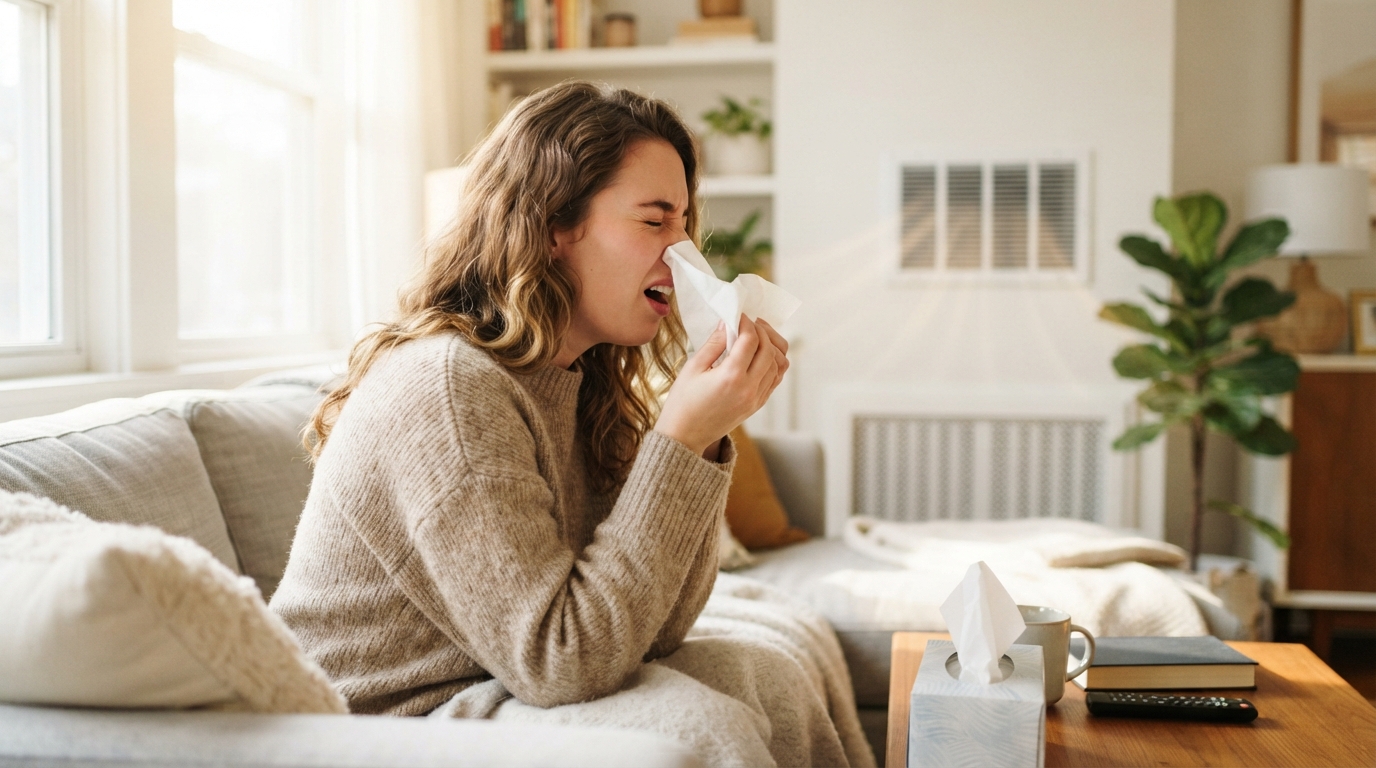
Are You Sneezing Your Way Through Winter?
Many homeowners experience increased allergy symptoms during the colder months, often attributing it to the usual suspects—dust mites, mold, and seasonal changes. But have you considered that your HVAC system may be partly to blame?
Why This Matters Now
As winter approaches, homeowners are increasingly dependent on their HVAC systems for heating and air circulation. However, if these systems aren't functioning optimally, they can circulate allergens such as dust, pollen, and mold spores throughout your home. Given the emphasis on indoor air quality during the colder months, it's crucial to understand how your HVAC system impacts your health.
Expert Viewpoints
Perspective: Brian S. Smith (HVAC Technician)
As an HVAC technician with over a decade of experience, Brian S. Smith has seen firsthand how poorly maintained systems can lead to health issues. The primary problem is often dirty filters. During winter, homeowners tend to crank up the heat and forget that their HVAC filters need regular changes. A clogged filter can reduce airflow and allows harmful contaminants to circulate, leading to increased sneezing and allergy symptoms.
"Changing your filter regularly isn't just important for your HVAC system; it's crucial for your health," Brian emphasizes. "If you're sneezing indoors, it could be because your system is pushing dust and allergens into the air."
Brian recommends checking your system's filter every month and changing it every three months at a minimum to ensure clean airflow.
Perspective: Laura Thomas (Building Scientist)
From a building science perspective, Laura Thomas looks at the broader picture of how HVAC systems function within a home. Many homeowners overlook the importance of ventilation. It's not enough for the system to heat the air; it also needs to manage humidity and ensure that outside air enters the home safely.
"Poor ventilation can trap moisture and create a breeding ground for mold," Laura notes. "If you have high humidity levels, any dust in the air can stick to surfaces, making it more difficult for homeowners to maintain clean indoor environments."
Laura advocates for balanced systems that allow for adequate ventilation without losing heat. Implementing a heat recovery ventilator can exchange stale indoor air with fresh outdoor air, greatly improving indoor air quality during winter months.
Perspective: Mark Johnson (Energy Analyst)
As an energy analyst, Mark Johnson's focus is on efficiency and comfort. There's a direct correlation between energy-efficient systems and indoor air quality. While it's tempting to turn up the thermostat to combat cold drafts, doing so without assessing your HVAC system's efficiency can exacerbate allergens.
"A well-maintained, energy-efficient HVAC system can help maintain even temperatures, which can reduce the conditions that lead to dust and mold growth," Mark explains. "Investing in proper insulation and efficient systems not only keeps your home comfortable but also helps minimize allergens lurking in your indoor air."
Mark encourages homeowners to consider their HVAC system's overall energy performance and invest in upgrades if needed to ensure both comfort and health.
Editorial Synthesis
Where Experts Agree
- Regular Maintenance: All experts agree that regular filter changes and system maintenance are essential for improving indoor air quality.
- Ventilation Is Key: Effective ventilation reduces allergens and maintains a balanced indoor environment.
- Energy Efficiency Matters: A well-maintained, energy-efficient HVAC system contributes to better air quality and home comfort.
Where Experts Disagree
- Filter Change Frequency: Brian suggests changing filters every three months, while Laura believes homeowners should assess their specific conditions before deciding how often to change them.
- Systems and Technologies: Laura supports the use of heat recovery ventilators for improved ventilation, but Mark emphasizes the importance of energy-efficient systems as a priority, regardless of the specific technology.
Why This Matters
Understanding the link between your HVAC system and indoor air quality is essential, particularly as many of us spend more time indoors during the winter months. Sneezing, coughing, and other allergy symptoms can significantly impact your quality of life, but many of these issues can be mitigated by focusing on your HVAC system. Make it a priority to maintain and assess your system, ensuring it's not just keeping you warm but also providing the clean air you need for your well-being.
By paying attention to these expert insights, you can create a healthier indoor environment and enjoy a more comfortable winter. Don't let your HVAC system be the hidden culprit behind your sneezes; take proactive steps toward cleaner air today.
The Voices
 HVAC Technician
Brian S. Smith
Pro Air Quality
HVAC Technician
Brian S. Smith
Pro Air Quality
Improper maintenance of your HVAC system can lead to a buildup of dust, mold, and other allergens. Regular inspections and filter changes are crucial to maintain good indoor air quality, especially during winter months when windows are usually closed.
 Building Scientist
Laura Thomas
Balanced View
Building Scientist
Laura Thomas
Balanced View
While HVAC systems can contribute to indoor allergens, it is also essential to consider overall ventilation and building materials. A holistic approach to improving indoor air quality involves examining all aspects of a home’s environment.
 Energy Analyst
Mark Johnson
Pro Energy Efficiency
Energy Analyst
Mark Johnson
Pro Energy Efficiency
An inefficient HVAC system can exacerbate allergy symptoms through improper filtering and circulation. By investing in energy-efficient systems, homeowners can reduce allergens while optimizing comfort and lowering energy bills.
Your HVAC System: A Hidden Contributor to Winter Allergies
Regular HVAC maintenance is key to reducing indoor allergens this winter.
References
- Improving Indoor Air Quality Energy.gov
- Air Cleaners & HVAC Filters Energy Star
- Filtration and Air Cleaning ASHRAE