When was the last time you thought about your heating system? For many homeowners, it's not until something goes wrong—like discovering a problem with the gas line—that the debate between gas and electric furnaces pops up. This moment often forces a decision that can impact your comfort, safety, and wallet for years to come.
Context: Why This Matters Now
Understanding the pros and cons of gas and electric furnaces is increasingly essential. Rapid advancements in technology and growing environmental concerns make it paramount for homeowners to consider their options carefully. Additionally, drastic fluctuations in energy prices can greatly influence your home's operating costs. More than ever, it's time to arm yourself with knowledge.
Expert Perspectives
Perspective: Jim Gunshinan (Editor, Home Energy Magazine)
"In my experience, gas furnaces are often seen as the more traditional choice, given their capability for quick heating and potentially lower energy costs. They excel in cold climates, where heating needs are higher and more immediate. However, we can't overlook the environmental impact of burning fossil fuels.
Electric furnaces, on the other hand, have come a long way. Renewable energy sources, such as solar or wind power, can make electric heating a much greener option, helping homeowners lessen their carbon footprint," says Jim Gunshinan.
Perspective: Alison K. Smith (Energy Analyst)
"From an analytical standpoint, the decision between gas and electric largely hinges on local energy costs and incentives. In some regions, gas is significantly cheaper, making it the obvious choice for many families. However, with the rise of technology, electric furnaces have become more energy-efficient and offer various features like smart thermostats, which can optimize energy consumption.
In addition, laws and incentives are increasingly favoring electric systems. Some utilities offer rebates for installing electric heating systems to transition away from fossil fuels. This trend is something homeowners should strongly consider before making any long-term decisions," explains Alison K. Smith.
Perspective: Mark Schaefer (Master HVAC Contractor)
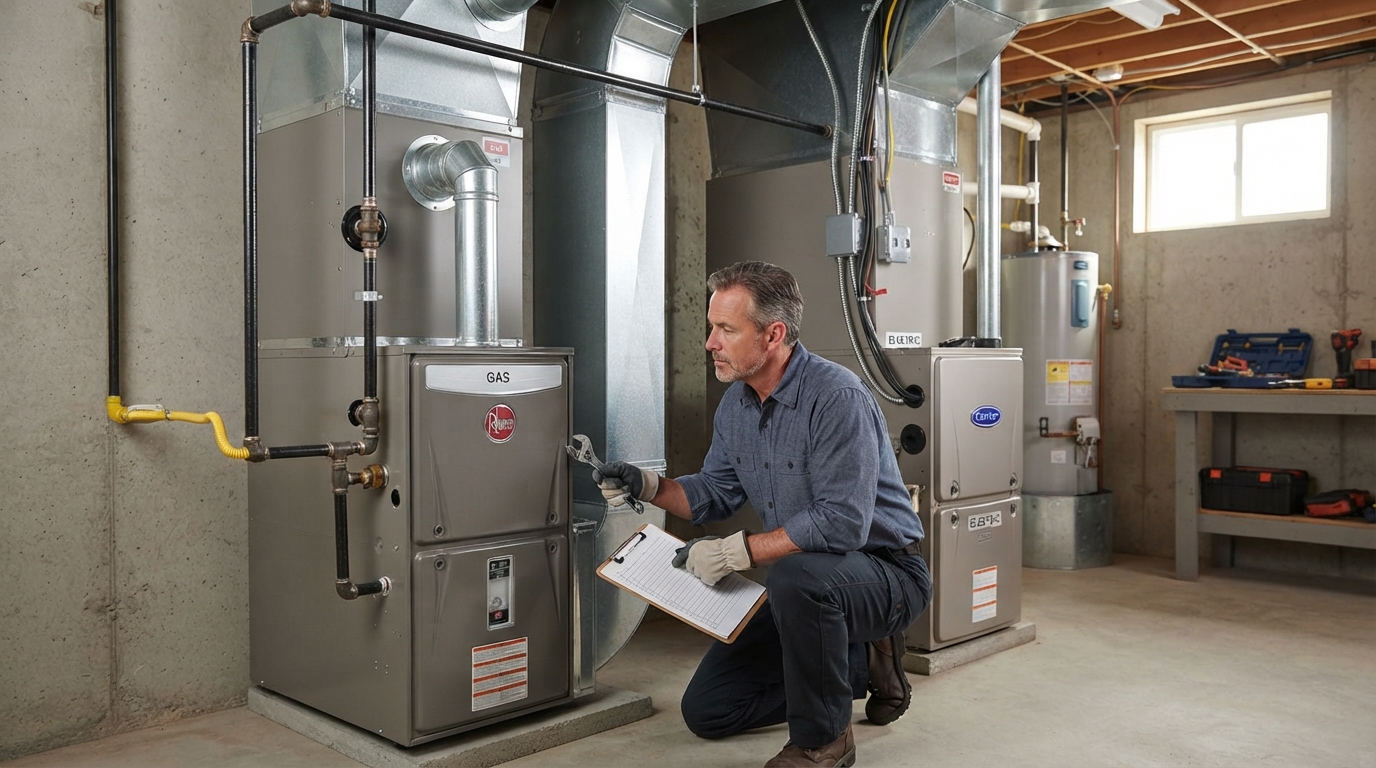
"As a contractor who works with both types of furnaces, I can say that installation plays a significant role in overall effectiveness. Gas furnaces usually require venting, and proper installation is critical to prevent dangerous leaks. On the other hand, electric systems are often easier and cheaper to install.
However, many homeowners overlook maintenance. Gas furnaces typically need annual inspections due to carbon monoxide risks, while electric systems don't have this concern.
When it comes to longevity, both types can last a long time with regular maintenance, but electric systems generally have fewer mechanical parts that can fail," notes Mark Schaefer.
Editorial Synthesis
Where Experts Agree
- Energy Efficiency: All experts noted the increasing energy efficiency of modern electric furnaces.
- Regional Factors: The choice is heavily influenced by local energy prices and availability.
- Maintenance: Regular maintenance is crucial for both gas and electric systems but differs in nature and frequency.
Where Experts Disagree
- Cost-Effectiveness: Jim believes gas is often cheaper, while Alison points out that electric may be the more cost-effective option in the long run, especially with renewable incentives.
- Environmental Impact: Alison and Jim differ on the environmental benefits of each option, with electric often taken as greener if powered by renewables, contrary to gas.
- Safety: Mark emphasizes having to consider the safety risks associated with gas, which is less of a concern with electric systems.
Why This Matters
In today's world, the decision between a gas or electric furnace is more than just a choice of heating; it's a pivotal decision influenced by economics, environmental sustainability, and safety considerations. As we continue to grapple with climate change and increasing energy costs, making the right choice is paramount.
For homeowners approaching the gas line replacement threshold, it's a good moment to stop and evaluate the broader implications of their choice. With perspectives from heating experts available, deciding on the right heating system for your home may become more manageable.
Ultimately, weigh your unique circumstances: your geographical location, energy prices, and personal values regarding sustainability. The right choice will not only keep you warm but will also reflect a commitment to being a responsible homeowner in a changing world.
The Voices
 Editor, Home Energy Magazine
Jim Gunshinan
Pro Gas Heating
Gas furnaces typically provide better heating efficiency compared to electric models and are often more cost-effective in regions with gas infrastructure. Additionally, they offer quicker heating times and better performance in colder climates.
 Energy Analyst
Alison K. Smith
Pro Electric Heating
Electric furnaces are often easier to install and maintain, especially in areas where gas lines are not readily available. Additionally, they offer a zero-emission heating solution when paired with renewable energy sources, making them a better choice for eco-conscious homeowners.
 Master HVAC Contractor
Mark Schaefer
Balanced Perspective
Both gas and electric furnaces have their pros and cons. The best system often depends on the specific needs of the homeowner, local availability of energy sources, and overall energy efficiency goals.
Navigating the Heating Dilemma: Gas vs. Electric
Choose wisely based on both immediate costs and future sustainability.