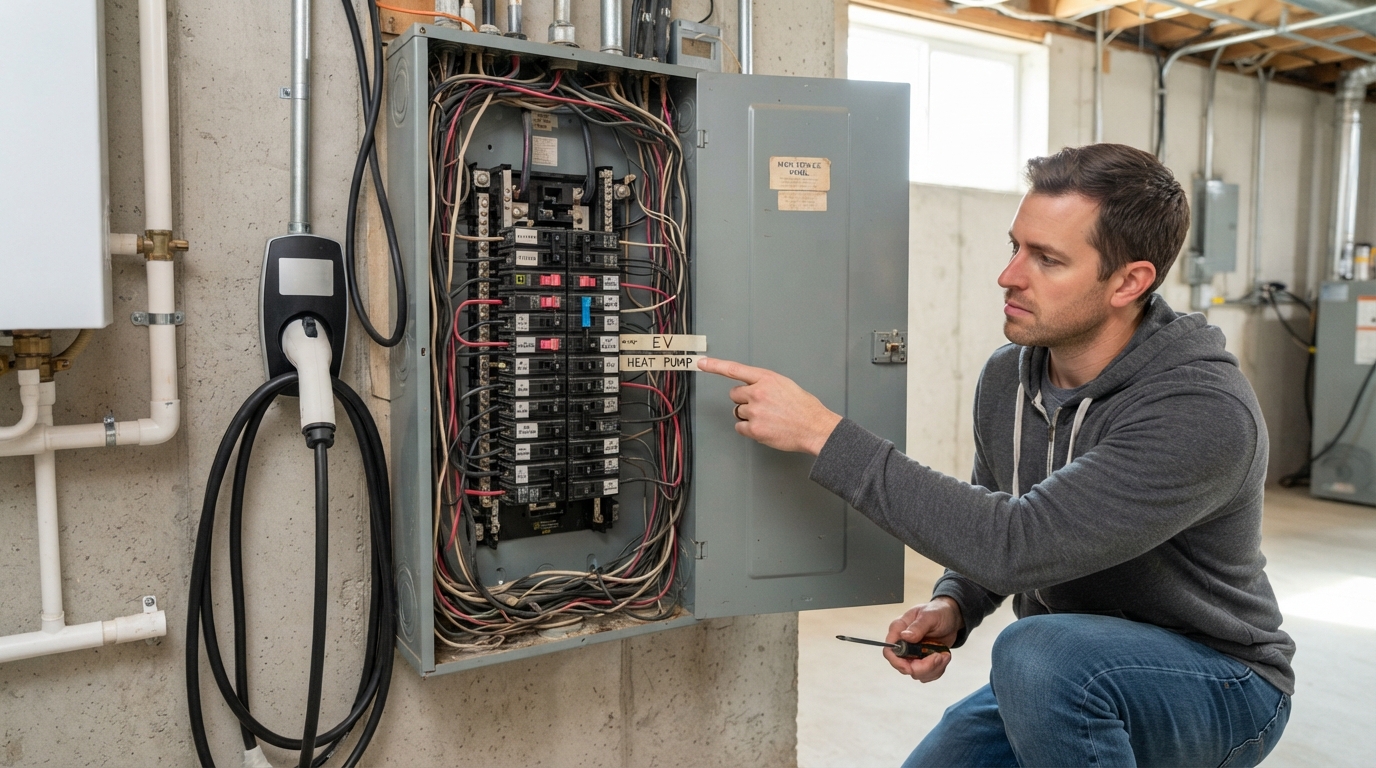
As homeowners increasingly turn to electric vehicles (EVs) and heat pumps for energy-efficient living, many are left wondering: Is my electrical panel up to the task? The quest for sustainable energy solutions is exciting, but it also raises a vital question about our existing home infrastructure's capacity.
Why This Matters Now
With growing concerns about climate change and a pivot toward cleaner energy, integrating both EVs and heat pumps is becoming more common. Heat pumps are efficient heating and cooling systems, while electric vehicles offer a greener alternative to traditional cars. However, both demand significant power. If your electrical panel isn't hefty enough, housing both can overwhelm your home's electrical system, leading to potential fire hazards, equipment failures, or unexpected expenses in upgrades.
Expert Perspectives
Perspective: Mike Holmes, CEO of Holmes Group
Mike Holmes believes that the rush toward electrification must be tempered with a realistic evaluation of our home's infrastructure. "Many homeowners are excited about getting an electric vehicle, but they often overlook the capacity of their electrical panels," he explains. "It's not just about buying a car; it's about ensuring your electrical system can handle it."
Holmes stresses the importance of professional assessments. "A home inspection should include an evaluation of the electrical system, including the panel. A licensed electrician can help homeowners navigate what's needed to safely support new electrical loads."
Perspective: Richard Smith, Energy Analyst at Energy Futures
Richard Smith echoes the sentiment but takes a broader view of the implications. "Homeowners should think about this in terms of a shift in energy consumption patterns," he states. "Most panels today are rated for 100 to 200 amps. If you're planning to add an EV charging station or a heat pump, you may need to consider how much power those units will demand."
Smith argues that during this transition, customers should advocate for policy changes to support upgrades in electrical infrastructure across communities. "In the long run, we need more than just individual home improvements. We need to rethink how our entire grid functions to manage increased load efficiently."
Perspective: Laura Kahn, HVAC Contractor at Green HVAC Solutions
Laura Kahn emphasizes the technical details when it comes to HVAC systems and their electrical requirements. "Heat pumps can be power-hungry, especially during peak seasons. Depending on the model, a heat pump can require anywhere from 15 to 30 kilowatts," she details, highlighting that most standard residential panels may struggle to support such demands alongside everything else a household consumes.
Kahn advises homeowners to consult their HVAC contractor. "It's essential to understand how these systems interact. If you're adding a heat pump and an EV, don't just focus on one; evaluate them as part of your total electrical system. An upgrade may not only be recommended but necessary."
Editorial Synthesis
In talking with our experts, several themes emerged regarding electrical panel capacity and the integration of electric vehicles and heat pumps:
Where Experts Agree
- Assess Before You Act: Both electricians and HVAC contractors emphasize the importance of a professional evaluation before investing in new technologies.
- Power Demands Are Real: All experts agree that adding both an EV and a heat pump can put a serious strain on an existing electrical panel.
- Future Planning is Key: Looking ahead is vital. As energy consumption patterns change, better planning can prevent future inconveniences and expenses.
Where Experts Disagree
- Individual Responsibility vs. Systemic Change: Holmes focuses on personal responsibility, advising individual assessments and modifications. In contrast, Smith argues that broader infrastructural changes are necessary and should also be prioritized along with individual upgrades.
- Cost vs. Energy Efficiency: Kahn suggests that the immediate costs of panel upgrades may be justified given long-term savings and efficiency, whereas Smith emphasizes weighing individual investments against community energy infrastructure improvements.
Why This Matters
In the end, the integration of electric vehicles and heat pumps into our homes represents a pivotal transition in how we consume energy. As environmentally-conscious homeowners, our choices drive demand for cleaner energy solutions. However, without the necessary infrastructure to support these choices, we risk creating more problems than we solve.
Evaluating your home's electrical panel isn't just about capacity; it's about foresight and safety. Consulting with professionals like Mike Holmes, Richard Smith, and Laura Kahn can arm you with the knowledge needed to make informed decisions. Whether you opt to upgrade your electrical panel now or wait for broader policy changes, understanding your current capacity is a fundamental first step toward a sustainable home.
As energy solutions evolve, the goal is to ensure that your home is not only modern but also safe and prepared for the future. After all, being a homeowner in today's climate means being a part of the solution—a responsibility that starts within the very walls of your home.
The Voices
 Contractor, TV Host, Building Inspector
Mike Holmes
Pro EV Adoption
Contractor, TV Host, Building Inspector
Mike Holmes
Pro EV Adoption
Upgrading your electrical panel is essential for accommodating both electric vehicles and heat pumps. Neglecting this can lead to insufficient power and potential safety hazards.
 Energy Analyst, Energy Futures
Richard Smith
Balanced View
Energy Analyst, Energy Futures
Richard Smith
Balanced View
While it's vital to consider the electrical capacity for both an EV and heat pump, homeowners should also evaluate their specific energy needs to determine the best course of action.
 HVAC Contractor, Green HVAC Solutions
Laura Kahn
Pro Heat Pump Focus
HVAC Contractor, Green HVAC Solutions
Laura Kahn
Pro Heat Pump Focus
Prioritizing heat pumps over EVs can improve overall energy efficiency in your home; however, be sure to assess whether your electrical panel can handle both systems to prevent issues.
Assessing Our Electrical Future: A Necessary Step
Homeowners must assess current and future electrical needs to ensure safety and efficiency.
References
- Electric Vehicle Charging at Home U.S. Department of Energy
- Heat Pump Information Energy Star
- Building Energy Codes - How They Impact Heat Pumps and EVs ASHRAE