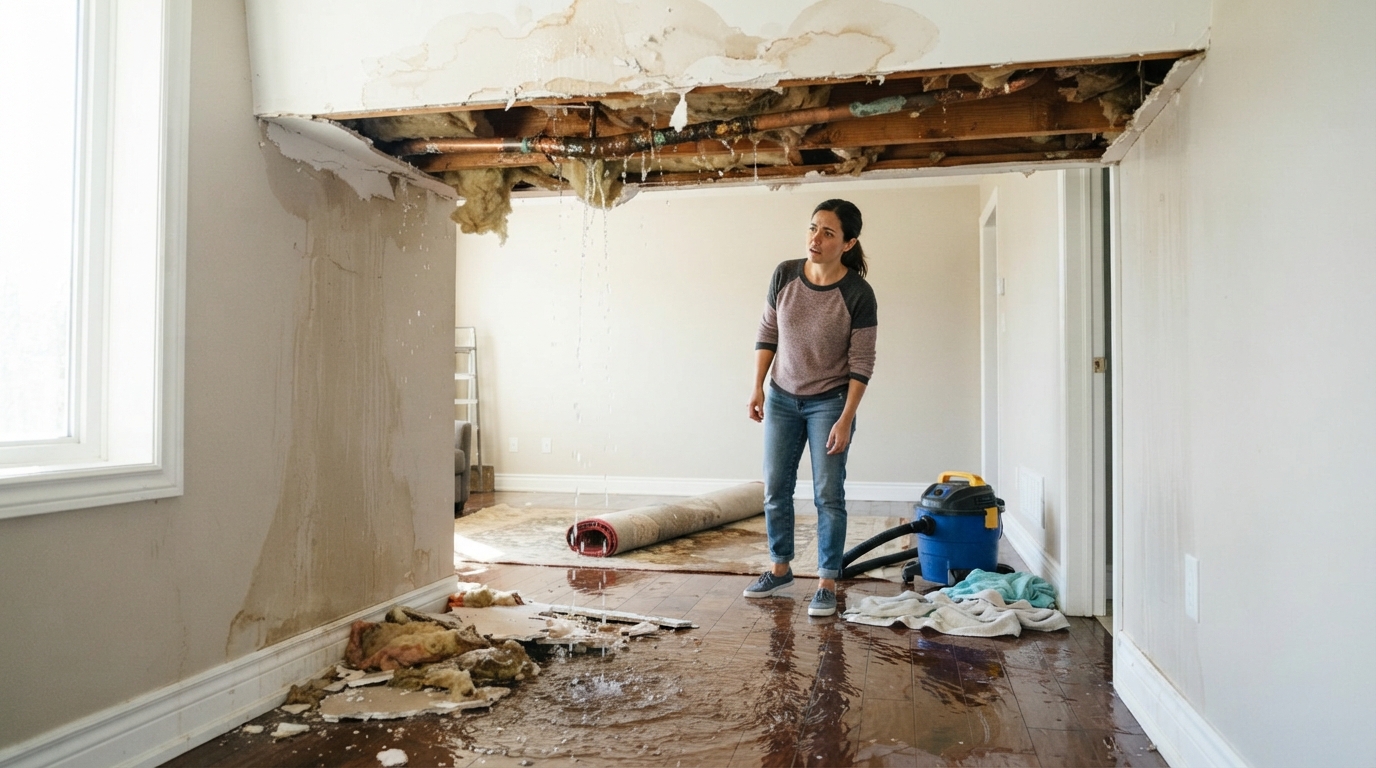
As summer approaches, millions of homeowners will rely on their air conditioning systems to keep their homes cool and comfortable. But what happens if your AC unit suffers damage due to a burst line? Will your homeowner's insurance cover the repair costs? Understanding this nuanced topic can save you from unexpected expenses and headaches.
Why This Matters Now
With HVAC systems working overtime in warmer months, incidents of damage, like a burst AC line, are more common. Homeowners should be proactive in understanding their insurance policies, especially if they find themselves facing costly repairs. Knowing what is covered can also empower you to make informed decisions about maintenance and service.
Perspectives on Coverage
Perspective: Home Insurance Insights
Emily F. Johnson, CEO of Home Insurance Guide, emphasizes the importance of understanding the fine print. "Most standard homeowner's insurance policies cover certain types of damage. However, HVAC-related issues can be a gray area. It's crucial to read your policy closely and consult directly with your insurance provider."
Johnson points out that many policies may cover the damage caused by a burst AC line if the cause fits within specified parameters, such as sudden and accidental discharge rather than long-term neglect. "Features like outdoor and indoor unit coverage can vary significantly among different insurers. So, it's best to verify coverage options beforehand to avoid surprises later."
Perspective: Insights from HVAC Professionals
On the flip side, Mark S. Thompson, an HVAC Technician and Contractor, provides a practical lens. "If your HVAC system has never been maintained, and a line bursts due to neglect, your insurance may not cover it. Insurers often look for evidence of consistent upkeep. Regular maintenance not only prolongs the life of your system but is often a requirement for coverage."
Thompson encourages homeowners to keep records of service calls and maintenance schedules. "It's not just about having insurance; it's about being proactive. HVAC systems need regular check-ups, and failure to do so can negate coverage as well as possibly lead to a more significant issue down the line."
Perspective: Energy Efficiency and Risk Factors
Sarah L. Greene, an Energy Analyst and Home Efficiency Expert, notes that choosing the right insurance involves considering energy efficiency in your home. "A well-maintained system not only operates better but may also influence your insurance costs. Insurers are increasingly looking at the energy efficiency of systems when underwriting policies, which means that an old, inefficient AC might lead to higher premiums or potentially less favorable coverage conditions."
Greene adds that energy efficiency improvements in HVAC systems can also enhance safety and reduce risks that might lead to insurance claims. "Investing in an energy-efficient model can be beneficial—not just for your utility bills but also in reducing the chances of damage that might affect your insurance coverage."
Editorial Synthesis
Where Experts Agree
- Homeowner's insurance often covers burst lines, but specifics vary by policy.
- Regular HVAC maintenance is a crucial factor that can impact coverage.
- Energy efficiency plays a role in both operational reliability and insurance evaluation.
Where Experts Disagree
- The extent to which a policy covers HVAC-related damage, with some claiming broader coverage than others.
- Whether neglect or lack of maintenance should trip the coverage threshold, with differing opinions on interpretive leniency.
Why This Matters
In conclusion, understanding your homeowner's insurance regarding HVAC systems can mean the difference between financial protection and unexpected expenses. As summer nears, take the opportunity to review your insurance policy, look for maintenance requirements, and consider enhancements to your home's energy efficiency. These steps can help you mitigate risks and ensure you're in good standing with your insurer. Stay informed, maintain your systems, and don't hesitate to consult experts when in doubt. Knowing what to expect can provide invaluable peace of mind during peak climate demands.
As homeowners invest in both their property and lifestyle, being proactive and educated about insurance coverage can lead not just to better financial decisions, but also improve the quality of life at home, especially during those sweltering summer days.
The Voices
 CEO, Home Insurance Guide
Emily F. Johnson
Pro Coverage
CEO, Home Insurance Guide
Emily F. Johnson
Pro Coverage
Homeowners should thoroughly check their policies, as many do cover HVAC-related damages. However, it's vital to understand the specifics, such as deductibles and exclusions, to avoid surprises when a claim is made.
While some homeowner policies might cover AC line bursts, it's essential for homeowners to consult their insurance agent and HVAC professional to determine coverage specifics and any preventative measures they can adopt.
 Energy Analyst, Home Efficiency Expert
Sarah L. Greene
Cautions Coverage Limits
Energy Analyst, Home Efficiency Expert
Sarah L. Greene
Cautions Coverage Limits
Many homeowners are under the impression that their policies will cover all HVAC-related damages, but often exclusions exist. Educating homeowners on potential coverage gaps ensures better preparedness for unforeseen HVAC failures.
Navigating the Complexities of Coverage: Homeowner’s Insurance and HVAC Damage
Understanding your policy and maintaining your HVAC system can minimize unexpected repair costs.
References
- HVAC Maintenance and Repair Energy Star
- Homeowner’s Insurance: What It Covers and What It Doesn’t Consumer Reports
- HVAC System Basics ASHRAE