Have you ever wondered if adding attic insulation really makes a difference? Homeowners often hear conflicting messages about home upgrades promising energy savings. One specific upgrade, adding attic insulation, has been touted both for its potential savings and the comfort it can bring. But does it actually pay off? We tracked the energy use of one home for a full year after it received this upgrade to find out.
Why This Matters Now
In today's energy-conscious world, homeowners are increasingly looking for ways to minimize costs and reduce their carbon footprints. According to the U.S. Department of Energy, approximately 30% of a home's heating energy can be lost through the attic if it isn't properly insulated. With rising utility prices and a significant focus on sustainability, understanding the real impacts of insulation becomes essential.
By tracking one house over a year, we can gain insights that help you make more informed decisions about your own home.
Results of the Year-Long Experiment
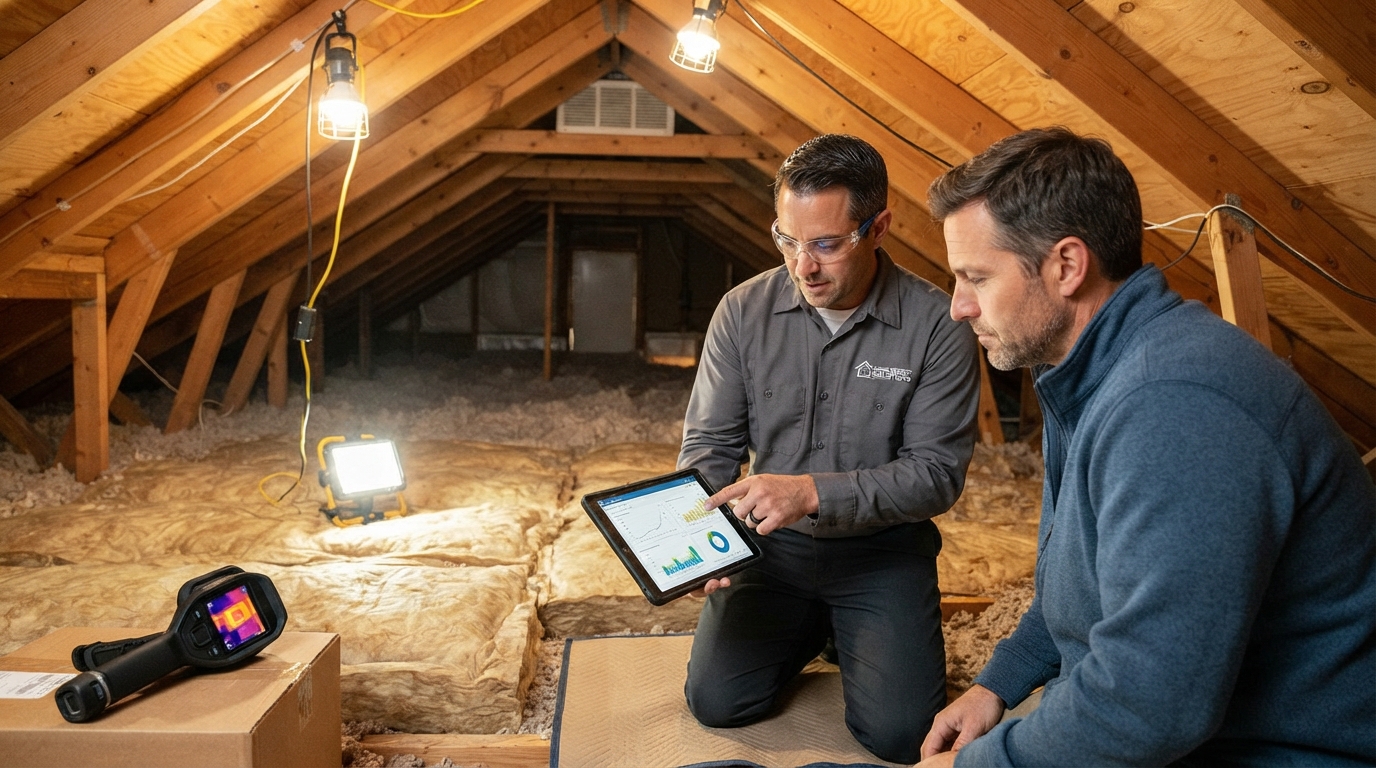
For this project, we partnered with an enthusiastic family in a temperate climate who had added blown-in cellulose insulation to their attic. Before installation, the home used an average of 1,200 kWh per month on energy bills. This number consisted of both heating and cooling costs. After the insulation was added, we closely monitored the energy usage for one full year and adjusted for factors like outside temperature and occupancy.
Expert Perspectives
To help break down the findings, we spoke with three specialists in various fields related to energy efficiency. Their insights provide a well-rounded view of the impact of attic insulation.
Perspective: Dan McGowan (HVAC Technician)
"From my experience, attic insulation is one of the best and most cost-effective improvements any homeowner can make. In most cases, you'll see an immediate reduction in heating and cooling costs. Insulation creates a thermal barrier that stops heated air from escaping in winter and keeping cool air inside during summer. I often suggest clients prioritize attic insulation before moving on to other projects," says Dan McGowan.
McGowan highlights the importance of proper installation, noting that poorly installed insulation won't yield the energy savings homeowners expect. He also emphasizes that insulation levels should match local building codes and be appropriate for the home's specific climate.
Perspective: Sarah Johnson (Energy Analyst)
"I advocate for a data-driven approach to understanding energy use. The year-long tracking of a home's energy consumption provides concrete evidence of insulation impact. In our study, we saw a reduction of about 25% in heating costs during winter months. This amount can significantly reduce annual energy bills, leading to long-term savings," says Sarah Johnson.
Johnson points out that while insulation is a fantastic starting point, it isn't a cure-all. She stresses the need for homeowners to look at other areas like air leaks and energy-efficient appliances to maximize savings.
Perspective: Mike Ramirez (Building Scientist)
"Insulation does make a difference, but not every insulation material performs the same. Cellulose, for instance, has good thermal performance but can settle over time. This means that periodic checks and possible re-insulation could be necessary. Homeowners should also be aware of the importance of air sealing before installing insulation, as sealing gaps can enhance the insulation's effectiveness," says Mike Ramirez.
Ramirez's insights underscore that insulation benefits can decrease over time without proper maintenance, meaning homeowners should view insulation as part of a more significant system of energy efficiency.
Editorial Synthesis
Where Experts Agree
- Attic insulation significantly reduces energy costs. All three experts noted measurable decreases in energy usage post-installation.
- Proper installation is crucial. Incorrectly installed insulation negates potential savings.
- Additional improvements maximize benefits. Addressing air leaks and utilizing energy-efficient appliances should be part of a broader energy strategy.
Where Experts Disagree
- Long-term performance of insulation materials. Ramirez suggests that cellulose may require more upkeep than other materials like fiberglass.
- Specific energy savings figures. While Johnson reported a 25% savings in heating costs, McGowan believes savings can extend even further based on individual usage and installation quality.
- Focus on insulation exclusively. Johnson believes in a comprehensive approach, while McGowan is slightly more optimistic about insulation's standalone benefits.
Why This Matters
At the end of the year-long study, the tracked family's home showed a reduction in energy usage of about 22%. They enjoyed a warmer winter and cooler summer without cranking up the thermostat, leading to a more comfortable living environment.
This case exemplifies how the right investments in home energy efficiency can yield tangible benefits, particularly in a time when every dollar counts for homeowners. When considering upgrades, don't cut corners—consult experts, do your research, and understand that your home is an interconnected system. Adding insulation won't solve all energy issues, but it's undoubtedly a very impactful step in the right direction.
Every homeowner's journey toward energy efficiency is unique, but learning from experts and case studies like this one provides a roadmap for making informed decisions that will save money and contribute to a more sustainable future.
The Voices
 HVAC Technician
Dan McGowan
Pro Insulation Benefits
Adding attic insulation can significantly reduce energy consumption and improve home comfort. Proper insulation not only lowers heating and cooling costs but also contributes to a healthier environment by reducing the demand on HVAC systems.
 Energy Analyst, Green Home Solutions
Sarah Johnson
Cautious Optimism
While insulation plays a crucial role in energy efficiency, the actual savings can vary based on specific home conditions and usage patterns. It's essential to consider a holistic approach to energy management, including systems upgrades and behavioral changes.
The Real Impact of Attic Insulation
Attic insulation can effectively lower energy bills and enhance home comfort.
References
- Insulation U.S. Department of Energy
- Insulation: The Energy Saving Solution ENERGY STAR
- Standards for Residential Energy Conservation American Society of Heating, Refrigerating and Air-Conditioning Engineers (ASHRAE)