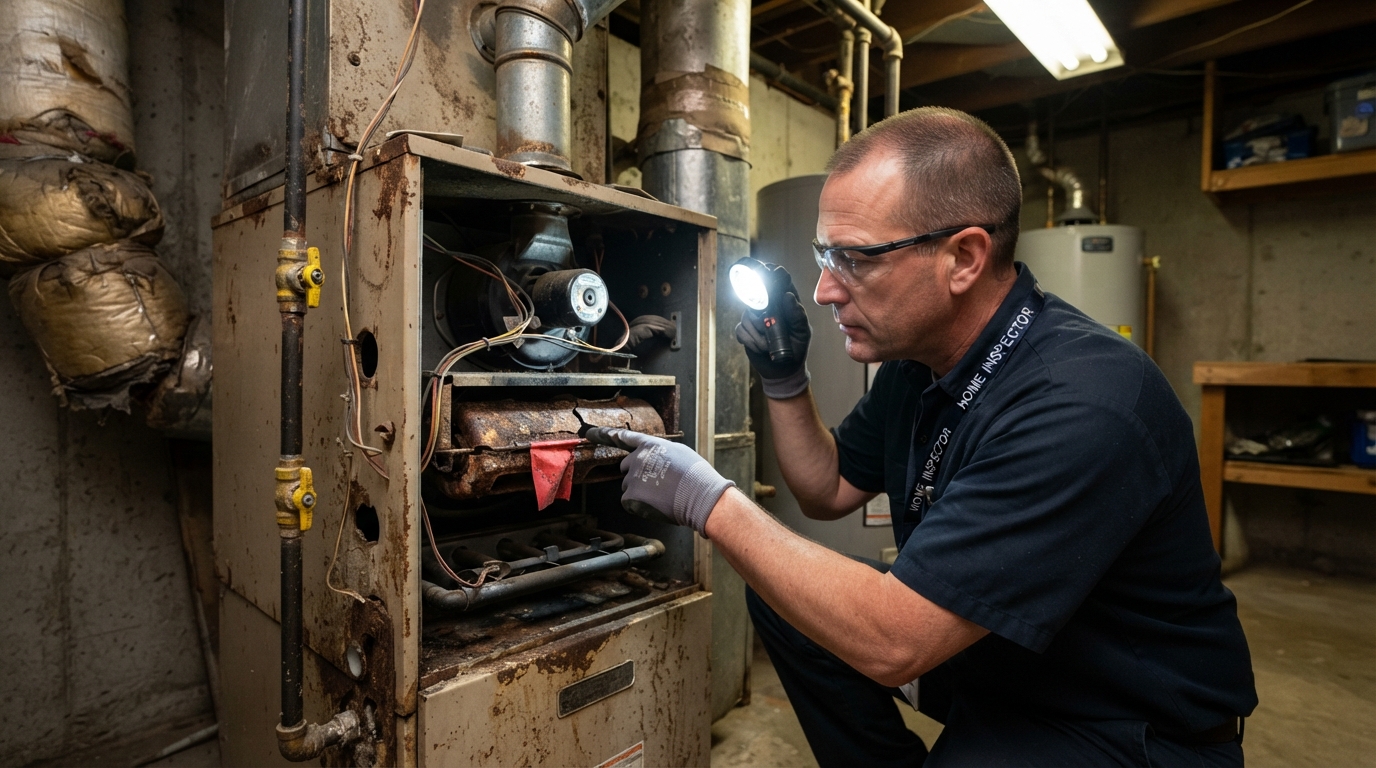
Is your dream home hiding a lurking HVAC disaster? When it comes to older systems, home inspections can hold the key to understanding exactly what you're getting into. Many buyers overlook crucial red flags in HVAC systems, and that oversight can lead to significant headaches and expenses down the line.
Why This Matters Now
In today's real estate market, where homes often fly off the market and buyers feel pressured to make quick decisions, understanding the condition of a property's HVAC system is more critical than ever. With an increase in home sales, many buyers feel the heat—literally—leading them to gloss over important inspection details to secure their purchase. As temperatures rise and energy costs soar, ensuring that your home's heating and cooling system is up to snuff is essential for comfort and financial well-being.
Expert Perspectives
Perspective: Brian J. McCauley (HVAC Technician)
Brian J. McCauley, a seasoned HVAC technician, emphasizes the importance of evaluating older systems closely. "One of the biggest red flags is when the system is more than 15 years old," he warns. "That's typically when you'll start seeing a significant decline in efficiency, and repairs become more common." He points out that many buyers are drawn to the aesthetic qualities of a home, neglecting the mechanical systems that keep it running smoothly.
According to McCauley, an essential part of the process is listening for noises during the inspection. "Strange sounds could indicate issues like duct leaks or failing components. Buyers should ask to have the system turned on and listen closely." The cost of inaction can range from minor repairs to complete system replacement, leading to unpleasant financial surprises post-purchase.
Perspective: Emily Reynolds (Home Inspector)
Emily Reynolds, a veteran home inspector, brings a broader perspective. "Most buyers fixate on cosmetic issues and structural integrity when in reality, the HVAC system is just as critical," she explains. She highlights deficiencies such as poor insulation, outdated thermostats, or improper duct installation, which often go unnoticed.
"Insulation plays a major role in energy efficiency," she adds. "If the insulation around the ducts or in the walls is insufficient, it can lead to exorbitant utility bills, even if the HVAC system is functioning properly." Emily encourages buyers to view the HVAC system as part of the home's overall energy efficiency strategy rather than an isolated concern.
Perspective: Mark Thompson (Building Scientist)
Mark Thompson offers a scientific approach, advocating for a holistic view of home systems. "The HVAC is part of the overall building envelope. An efficient system needs a well-sealed home. If there are issues with airflow or heat gain, it doesn't matter how new or efficient the HVAC units are." He stresses that long-term habits in a home significantly influence the effectiveness of HVAC systems.
"The condition of the home, the local climate, and the typical usage patterns all combine to determine how well a particular HVAC system will perform and how long it will last," Thompson says. When buying a home, he recommends focusing on the home's overall envelope and energy use history instead of limiting one's attention to just the HVAC unit.
Editorial Synthesis
Where Experts Agree
- Age Matters: An older HVAC system, especially one over 15 years, can signal impending repairs or replacements.
- Aural Clues: Listening for noises can reveal underlying issues often overlooked.
- Energy Efficiency: The state of insulation and ductwork significantly impacts HVAC system performance and running costs.
Where Experts Disagree
- Focus: McCauley believes buyers should zero in on the HVAC unit itself, while Reynolds urges a broader look at the home's energy profile.
- Red Flags: The experts vary in defining what constitutes a significant red flag, with Thompson leaning toward holistic assessments and McCauley focusing on unit-based diagnostics.
Why This Matters
For the modern homeowner, understanding the intricacies of HVAC systems during a purchase is not just about avoiding immediate costs. It's crucial for ensuring ongoing comfort and efficiency in a home that might be a long-term investment. Ignoring potential red flags—such as the age of the system, unusual noises, and overall energy efficiency—can lead to thousands of dollars in unexpected repairs and increased energy bills in the future.
A thorough inspection of HVAC systems requires a keen eye and an understanding of how they fit into the broader context of home efficiency. To navigate the often overwhelming home-buying process, prospective homeowners are urged to lean on experienced inspectors and HVAC technicians who can provide the insights necessary for informed decisions.
In summary, while it might be tempting to focus on the stunning kitchen or the perfect yard, never let the HVAC system fall by the wayside. By paying attention to this vital aspect of your future home, you're investing not just in comfort but in peace of mind for years to come.
The Voices
 HVAC Technician
Brian J. McCauley
Pro Upgrading
HVAC Technician
Brian J. McCauley
Pro Upgrading
Older HVAC systems often present serious inefficiencies and risks, which can compromise indoor air quality. Upgrading to modern systems not only improves performance but also increases energy efficiency, making it a crucial consideration for home buyers.
 Home Inspector
Emily Reynolds
Balanced View
Home Inspector
Emily Reynolds
Balanced View
While older HVAC systems can be functional, they often lack energy efficiency and may not meet current standards. Buyers should be cautious but also consider potential retrofitting to save costs while enhancing efficiency.
 Building Scientist, Home Inspection Services
Mark Thompson
Pro Retrofitting
Building Scientist, Home Inspection Services
Mark Thompson
Pro Retrofitting
Retrofitting older HVAC systems can often be a more sustainable and affordable solution than complete replacement. It allows homeowners to retain some aspects of their existing systems while improving overall efficiency and performance.
Don't Overlook Your HVAC: A Critical Inspection Must
Prioritize HVAC inspections to avoid costly surprises.
References
- Understanding Your HVAC System Energy.gov
- Heating and Cooling Energy Star
- HVAC Fundamentals ASHRAE