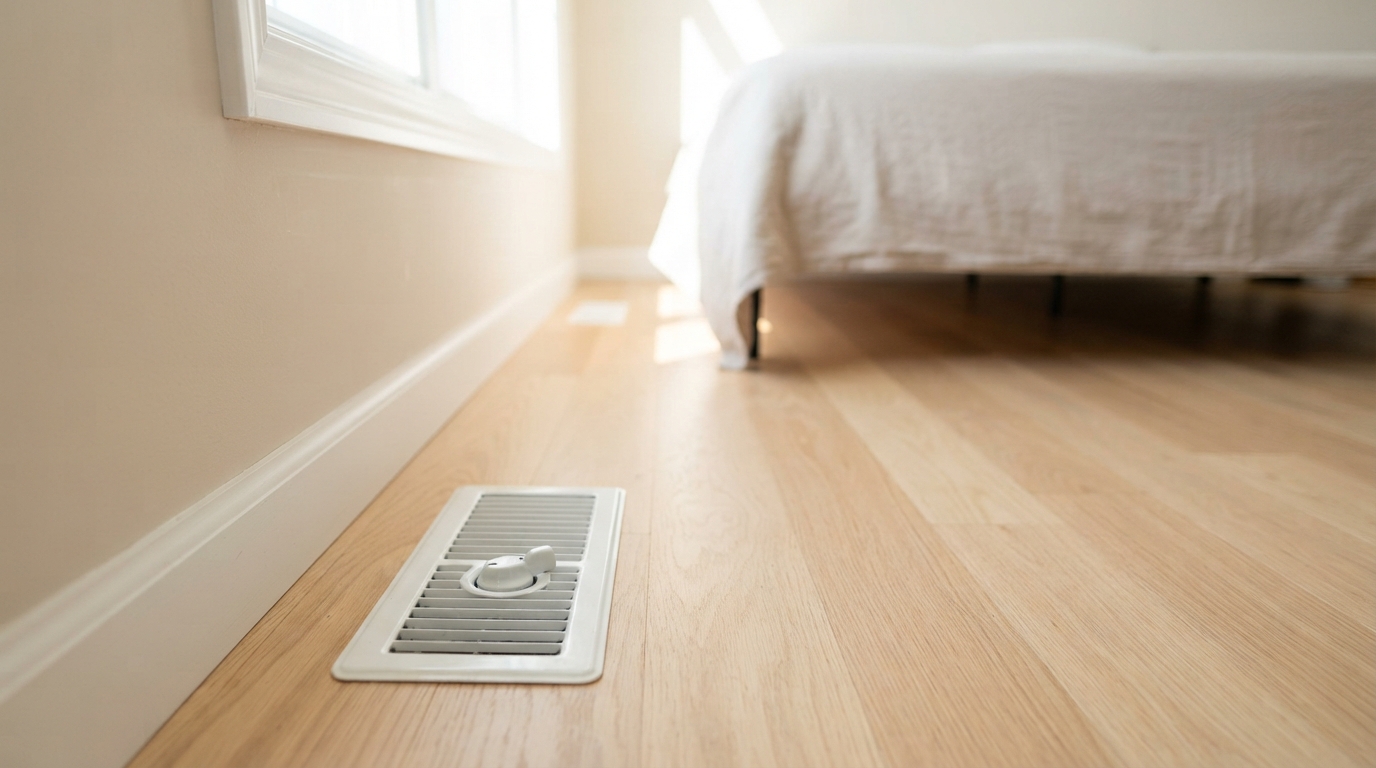
Have you ever heard the advice to close vents in unused rooms to save on heating and cooling costs? This popular belief continues to circulate among homeowners, but is it true? As energy prices fluctuate and homeowners seek more efficient ways to manage their heating, ventilation, and air conditioning (HVAC) systems, it's crucial to unpack the truth behind this age-old myth.
Why This Matters Now
In today's world, many homeowners are becoming increasingly conscious of their environmental impact and energy consumption. With energy bills often rising and new energy efficiency standards emerging, understanding how to optimize your home's HVAC system is more important than ever. It's not just about saving money; it's about making informed choices that contribute to sustainability and comfort.
Expert Viewpoints
Perspective: The Case Against Closing Vents
Michael D. Kearney, an HVAC contractor and owner of Energy Efficient Solutions, strongly advises against closing vents in unused rooms. "When you close a vent, you disrupt the intended airflow of your HVAC system. This can lead to pressure imbalances, causing the system to work harder to maintain the desired temperature, which in turn wastes energy and increases wear and tear on the system."
Kearney adds, "A well-designed HVAC system is about balancing air distribution and ensuring that each room receives adequate airflow. Closing vents can also create moisture issues in your home, leading to mold growth in extreme cases."
Perspective: Energy Efficiency Considerations
Angela R. Smith, an energy analyst at Green Home Consulting, brings a different angle to the conversation. While she agrees with Kearney's caution, Smith also emphasizes the need for strategic solutions. "If a room is truly unused, it's better to consider other options for energy saving. For instance, sealing ducts, enhancing insulation, or even using smart thermostats can better achieve the goal of energy efficiency without compromising the HVAC system."
She notes, "Closing vents may offer a temporary reduction in energy costs, but in the long run, it often leads to higher maintenance costs and decreased comfort."
Perspective: The Building Science View
David W. Johnson, a building scientist and principal at Building Science Innovations, adds to the discussion from a construction perspective. "It's crucial to understand that every small adjustment in one part of your HVAC system can lead to significant consequences across the entire system. Closing vents can lead to hot spots in rooms that are receiving too much airflow and cold spots in rooms that are starved for heat or cooling."
Johnson suggests a holistic approach: "If homeowners are concerned about energy use, they should look at the bigger picture of their home's envelope. Proper insulation, air sealing, and understanding the dynamics of their mechanical systems are vital components for achieving efficiency."
Editorial Synthesis
Where Experts Agree
- Closing vents can lead to pressure imbalances in HVAC systems.
- Disrupting airflow can increase energy consumption and costs over time.
- It's better to explore holistic solutions, such as insulation and smart controls, to improve energy efficiency.
Where Experts Disagree
- There is considerable debate on whether any temporary energy savings account for the long-term costs of HVAC damage or inefficiency.
- While Kearney regards closing vents as unwise in all situations, Smith sees potential strategic approaches depending on the specific circumstances.
Why This Matters
Ultimately, the myth of closing vents in unused rooms persists because many people are looking for quick fixes to high energy bills. However, the consensus among experts is clear: while it may seem like an effective way to manage heating and cooling in the short term, it can lead to long-term inefficiencies and additional costs.
As modern homeowners, it's essential to take a broader view of your home's energy efficiency. Instead of closing vents, consider investing in proper insulation, duct sealing, and even upgrading to a more efficient HVAC system altogether. By doing so, you not only save money on your energy bills but also contribute to a healthier and more comfortable living environment.
So before you reach for that vent cover, pause and consider consulting with an HVAC professional who can guide you in making the best long-term decisions for your home's climate needs.
The Voices
 HVAC Contractor, Owner of Energy Efficient Solutions
Michael D. Kearney
Against Closing Vents
Michael argues that closing vents in unused rooms can lead to increased pressure on the HVAC system, causing inefficiency and potential damage. He advocates for keeping vents open and managing airflow with zoning systems instead.
 Energy Analyst, Green Home Consulting
Angela R. Smith
Context-Dependent Analysis
Angela emphasizes that the impact of closing vents varies based on a home's specific design and system type. She encourages homeowners to consider professional assessments for tailored advice.
The HVAC Myth: Debunking the Closed Vent Fallacy
Closing vents in unused rooms is a myth that can worsen HVAC efficiency and should be avoided.