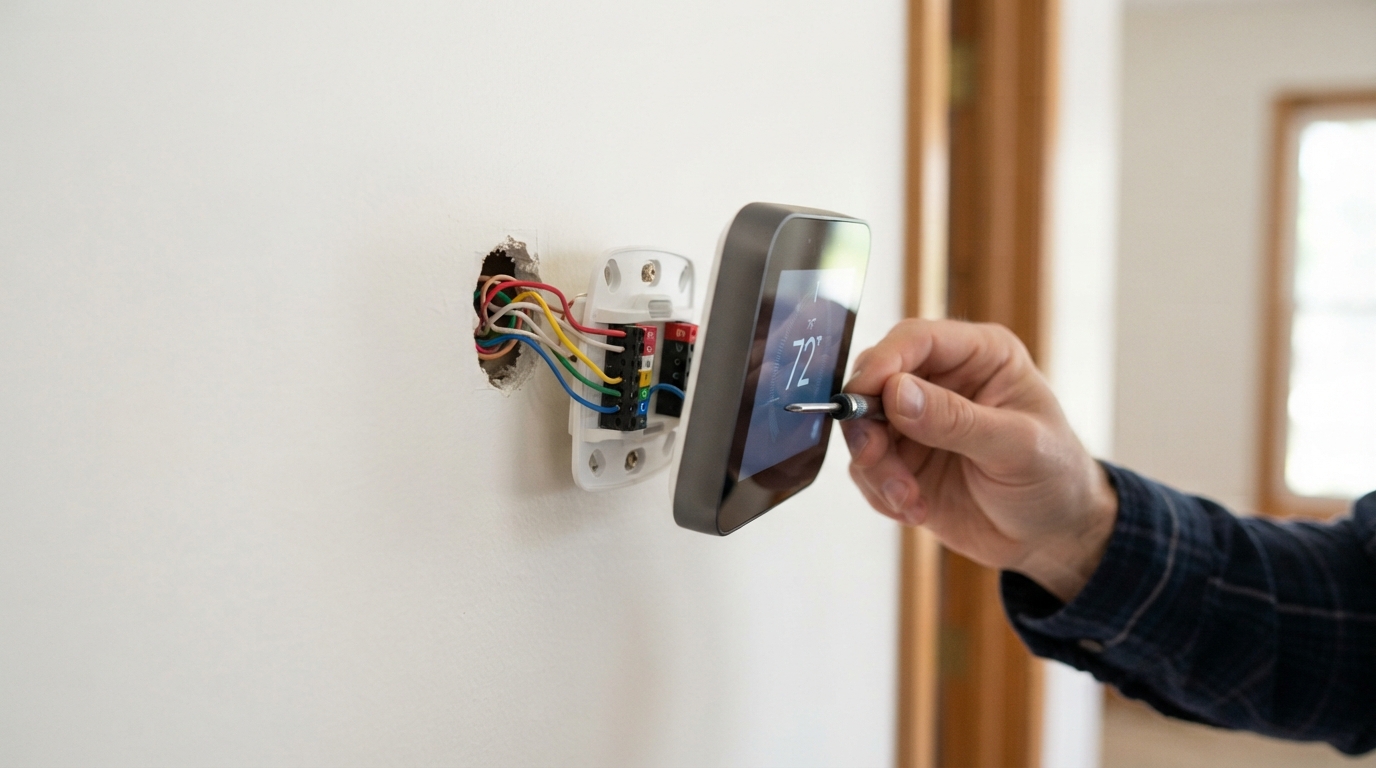
Navigating the world of smart thermostats can feel like walking through a maze, especially when you come face to face with the infamous C-wire (common wire). Why do some smart thermostats require it while others seem to work just fine without? This question is crucial for modern homeowners looking to upgrade their heating and cooling systems. Let's find out what sets these devices apart and why this topic is especially relevant today.
Why This Matters Now
As energy costs continue to rise, homeowners are increasingly turning to smart thermostats to manage their home climates more efficiently. The stakes are high: improper installation can lead to insufficient heating and cooling, increased energy bills, and even system malfunctions. With the seasonal transitions upon us, many DIYers are eager to install these smart devices before the weather demands more intensive climate control. Understanding the wiring requirements is essential, and that's where the C-wire comes into play.
What Is a C-Wire?
A C-wire is essentially an electrical wire that provides continuous power to your smart thermostat, allowing it to function optimally. Unlike traditional thermostats that relied on batteries or less sophisticated power sources, smart thermostats often need a constant power supply for features like Wi-Fi connectivity, touchscreen displays, and learning capabilities.
Perspective: Brian H. (HVAC Technician)
Brian H. emphasizes that the C-wire is a critical feature for many smart thermostats:
"The C-wire provides a steady flow of electricity, which is essential for smart functionalities. Without it, you risk draining batteries and may compromise the performance of your thermostat."
However, he notes that some modern smart thermostats come equipped with technology that mitigates this need.
"Companies like Ecobee and Nest have developed solutions utilizing power stealing, which allows them to draw a small amount of current from other wires without needing an additional C-wire."
Perspective: Lisa M. (Energy Analyst)
Lisa M. provides a broader context regarding energy efficiency and homeowner education:
"While a C-wire is beneficial for reliability, it's important for homeowners to understand that not all homes are equipped with one. With many properties being older, homeowners might not have the infrastructure."
She argues that smart thermostat manufacturers need to better educate consumers:
"Real clarity around installation requirements can prevent frustrated DIYers from simply giving up or incorrectly installing their devices."
Perspective: Tom R. (HVAC Contractor)
Tom R. takes a more hands-on approach, sharing insights from his day-to-day experiences:
"In my line of work, I usually see a mixed bag. Some older homes don't have a C-wire, and the owners think they're out of luck. Often, we can run a new wire, but it's an added cost many aren't prepared for."
However, he also acknowledges that some smart thermostats are versatile enough:
"Models like the Honeywell Home T9 can run on battery or C-wire, making them a great option for homeowners looking to avoid complications."
Editorial Synthesis
Where Experts Agree
- The C-wire is critical for many smart thermostats to function optimally.
- Some smart thermostat models can operate without a C-wire due to power-stealing technology.
- Communication and education from manufacturers need to improve for DIY installers.
Where Experts Disagree
- The necessity of a C-wire varies based on the smart thermostat model.
- Opinions differ on how essential it is for performance versus a stop-gap solution.
- The complexity of running a new C-wire versus using models that don't need one is debated.
Why This Matters
Understanding whether your smart thermostat needs a C-wire is crucial before diving into installation. It's not just about the technology; it's about ensuring that your home remains comfortable while keeping energy costs in check. As Brian rightly points out, "The last thing a homeowner wants is a thermostat that goes haywire because it can't draw sufficient power."
Lisa's perspective reminds us that education is key; if homeowners are better informed about which models suit their electrical configurations, they can avoid unnecessary headaches.
Tom's experience reinforces the notion that accessibility matters. Not every home has the wiring configuration for a C-wire, and knowing your options can empower you to make the best choice for your specific situation.
As you ponder your next home upgrade, consider your home's wiring landscape alongside smart thermostat features. Whether you have a C-wire or not, there are viable options waiting to elevate your home climate efficiently.
Now, when you're deciding between smart thermostats, you're equipped with both the understanding and the expert opinions to guide you. Tackle that installation with confidence, and don't forget to keep energy efficiency at the forefront of your decision-making!
The Voices
 HVAC Technician
Brian H.
Pro C-Wire Need
Smart thermostats typically require a C-wire to provide continuous power, which is crucial for maintaining their connectivity and functionality. Without it, many devices struggle to perform optimally and can lead to unexpected shutdowns.
 Energy Analyst
Lisa M.
Against C-Wire Necessity
Many smart thermostats are designed to operate efficiently without a C-wire, using advanced battery technology or power stealing methods. This flexibility allows DIYers to install devices in homes that lack a dedicated C-wire without needing complicated rewiring.
Understanding the C-Wire: Vital for Some, Optional for Others
Understanding the C-wire is crucial for efficient smart thermostat installation.
References
- How to Choose a Smart Thermostat Energy.gov
- Smart Thermostats ENERGY STAR
- Smart Thermostat Buying Guide Consumer Reports